XDR
Open XDR — Intelligence-Native Detection & Response
Traditional XDR collects telemetry but often lacks intelligence, context, or guided investigation — and native XDR locks you into one vendor’s sensors. Anomali takes an open, vendor-neutral approach: embedding Managed Intelligence as a Service and agentic AI across endpoint, network, cloud, and identity to uncover hidden threats, correlate campaigns, and respond faster — while enhancing the stack you already own.
Native XDR vs. Open XDR
XDR (extended detection and response) unifies detection across endpoint, network, cloud, and identity, correlating signals that siloed tools miss. Native XDR uses a single vendor’s sensors end to end for deep correlation, but requires you to standardize on that vendor. Open XDR ingests telemetry from the tools you already run, prioritizing coverage breadth and stack flexibility.
Anomali is intelligenc-native Open XDR: it correlates across your existing telemetry and enriches every detection with Managed Intelligence — no rip-and-replace, no concentration risk.
Why Traditional XDR Falls Short
Telemetry is siloed across endpoints, networks, cloud, and identity
Correlation rules are static and limited in scope
High false-positive rates slow investigations
Analysts lack actionable guidance for complex threats
Native XDR locks you into a single vendor’s sensors
Anomali modernizes detection by making intelligence and agentic AI native to XDR — turning siloed data into coordinated detection and response across the tools you already own.
Core XDR Capabilities
Intelligence-Native Detection
Prioritize alerts with embedded Managed Intelligence to focus on real risk and actionable incidents.
Unified Telemetry & Correlation
Analyze endpoint, network, cloud, and identity data in real time, linking events to uncover hidden threats and adversary campaigns.
Agentic AI–Guided Investigations
AI-driven recommendations, context pivots, and next-step guidance to accelerate triage and investigation — across both Anomali and third-party telemetry sources.
Seamless Platform Integration
Enhance your existing XDR and security stack with intelligence-led context and agentic guidance — open by design, with 200+ out-of-the-box integrations and open standards (STIX/TAXII, Syslog, MCP).
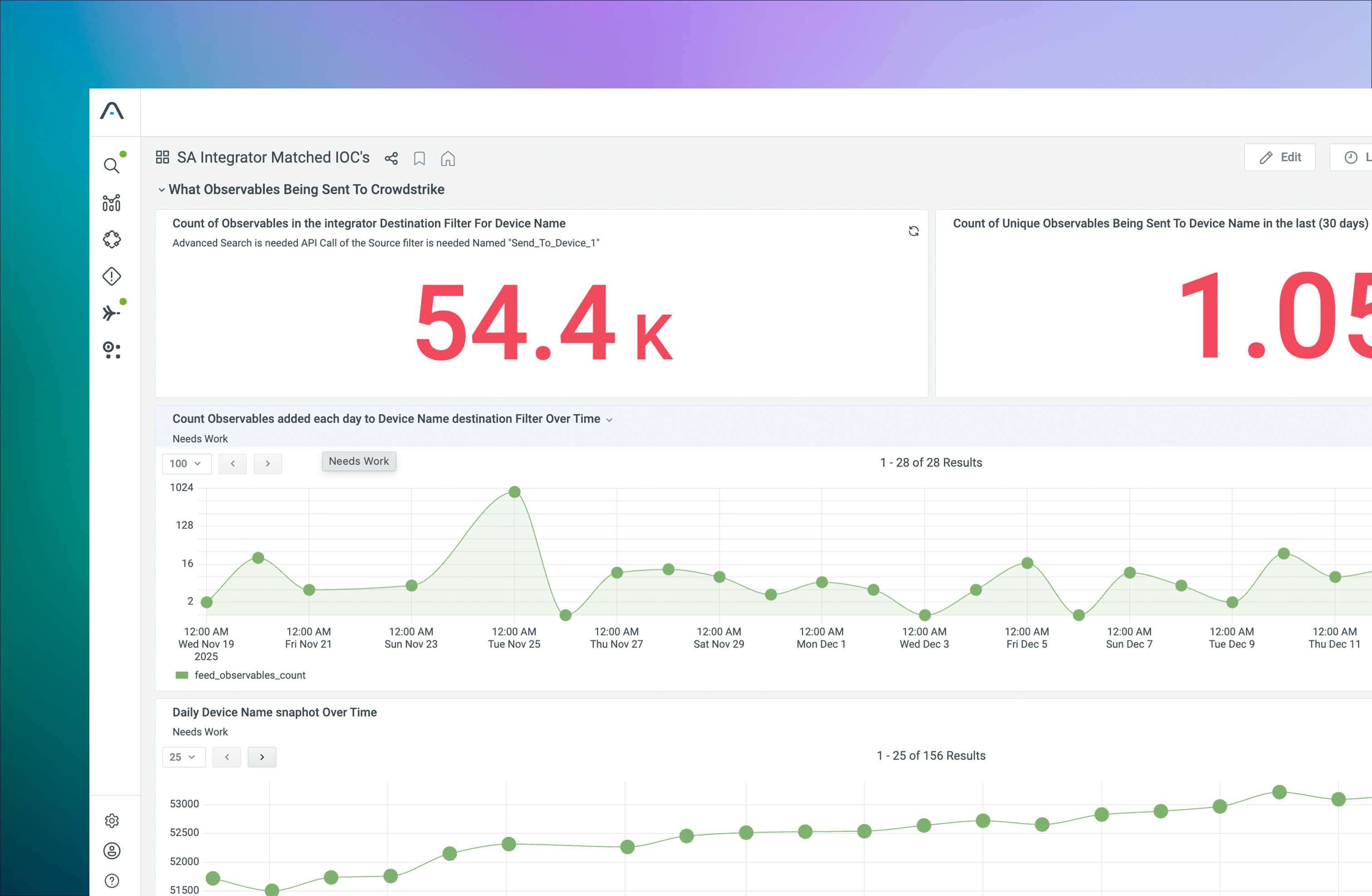
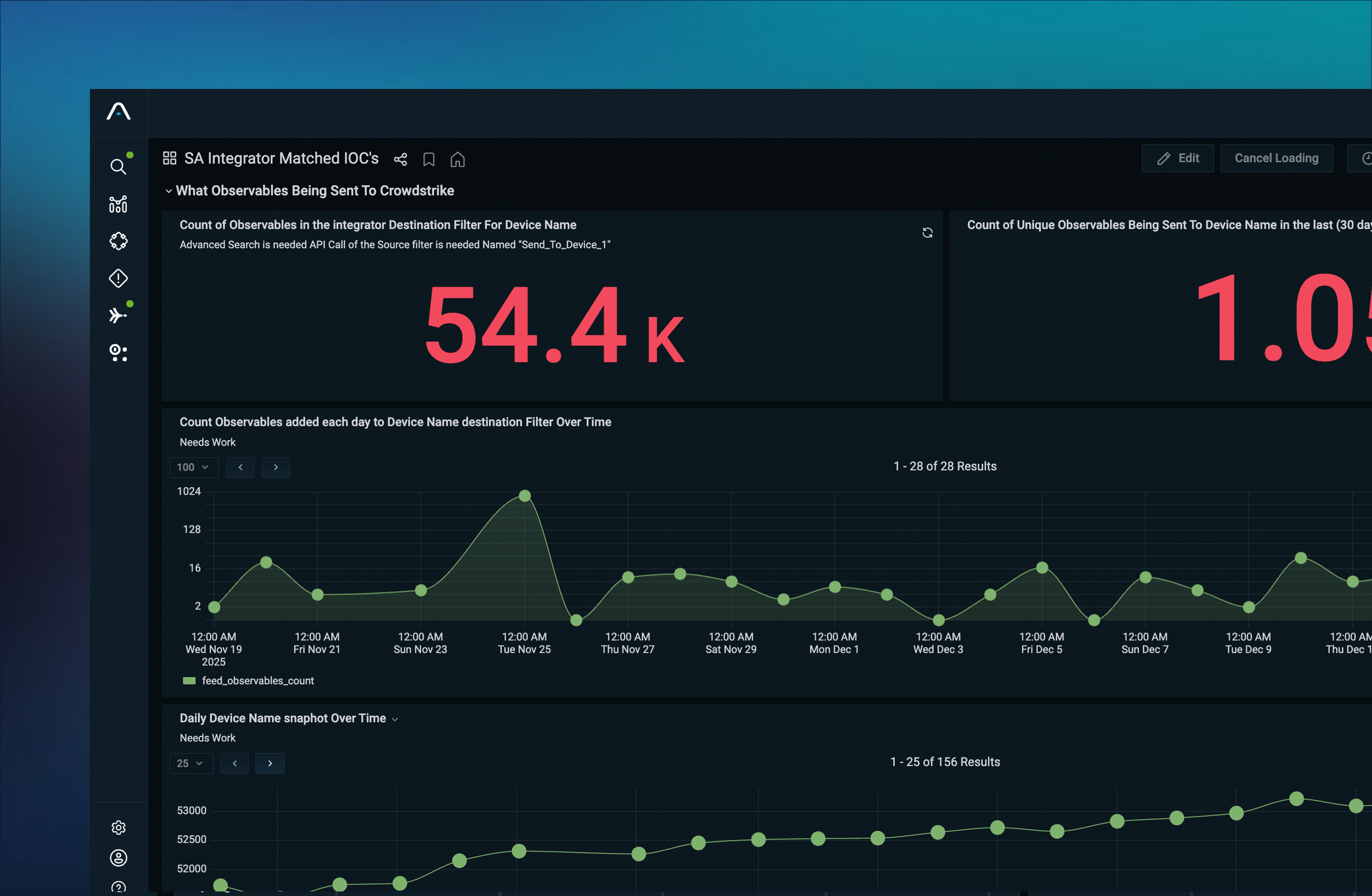
Native XDR vs. Open XDR (Anomali)
Frequently Asked Questions
What is the difference between EDR and XDR?
EDR focuses on endpoint devices; XDR extends detection and response across multiple surfaces — endpoint, network, cloud, and identity — correlating them in a single investigation view.
What is the difference between Native XDR and Open XDR?
Native XDR uses one vendor’s sensors end to end; Open XDR ingests telemetry from your existing tools for broader coverage and no vendor lock-in. Anomali is intelligence-native Open XDR.
Does Anomali XDR replace my current tools?
No. Anomali enhances your existing XDR and security stack with intelligence-led context and agentic guidance, working across the tools you already run.
Modernize Detection and Response Without Replatforming
Intelligence-driven visibility, guided investigation, and richer context — across your existing stack. Schedule a Demo.